This blog aims to help the families and friends around people who may be starting to need help at home, and how best to navigate conversations around additional support.
Families often sense that something is not quite right long before anyone says the word “Dementia”
Small changes appear, then gradually become harder to ignore. The difficulty is knowing what to do next, and how to talk about it.
What are the early signs to look out for?
Dementia rarely begins with obvious memory loss. It usually shows itself in small, practical changes. Family members are often the first to notice patterns such as:
• Repeating questions or stories
• Difficulty with everyday tasks like cooking or using familiar appliances
• Confusion about dates, appointments or routines
• Changes in mood, including anxiety, irritability or withdrawal
• Struggling to follow conversations or find the right words
• Neglecting personal care or household tasks
One sign on its own may not mean very much. What matters is whether it is happening more often or starting to affect daily life.
Why families often hesitate
Families do not ignore problems because they do not care. More often they are:
• Hoping it is something temporary
• Worried about upsetting their parent or loved one
• Unsure what help is available
• Unclear what happens next
It is also common for the person themselves to minimise difficulties. That can make conversations feel harder than they need to be.
How to start the conversation about help
Do not wait for a crisis. Choose the right moment and keep the tone supportive:
“I wonder if it would make things a bit easier to have some extra help at home.”
Avoid arguing about whether there is a problem. Focus on what might help.
Starting small often works best. A little support, introduced early, is usually more acceptable than a big change later. Getting support from other family members is crucial, though sometimes that’s hard if people don’t have a shared understanding of or awareness of the problem.
When getting others involved keep it simple and factual:
• Make brief notes of what you are seeing
• Focus on changes, not labels
• Share concerns early with the other relevant people including family, friends and the doctor.
For example:
“I’ve noticed she’s been finding her medication a bit confusing this week, and she seems more unsettled in the evenings.”
This keeps the conversation practical and avoids jumping to conclusions.
The role of Professional Carers
Good care at home can make a significant difference at this stage.
Professional carers can:
• Offer an objective view of what is happening
• Support families with difficult conversations
• Introduce help gradually and sensitively
• Build trust with the person receiving care
Handled well, this can prevent crisis situations and help people remain at home for longer.
What happens next?
If change is happening, the GP should be involved. An assessment may or may not lead to a diagnosis of dementia. There can be other causes, some of which are treatable. The priority is not the label. It is making sure the person is safe, supported, and not struggling alone.
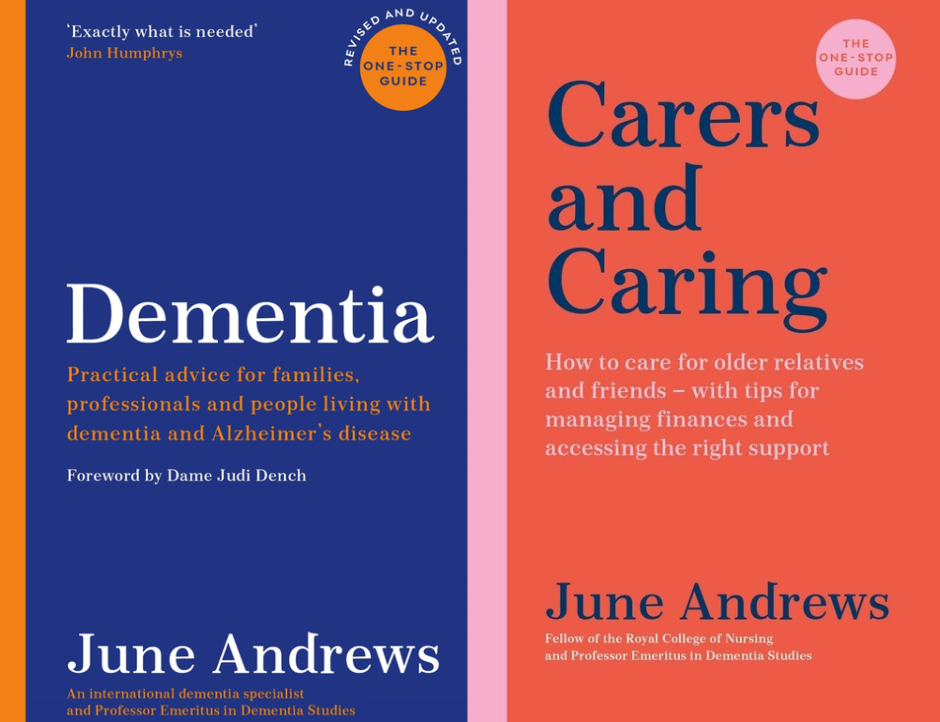
For those who want clear, practical guidance, there are straightforward resources available for families and carers. My books, including Dementia: The One Stop Guide and Carers and Caring: The One Stop Guide, set out what to expect and how to manage common challenges in everyday situations.
A final thought
Early action makes a difference.
Waiting for certainty often leads to delay. Acting on concern, in a calm and practical way, leads to better outcomes for everyone.
If you would like to talk through concerns about a loved one, the team at Hamilton George Care is here to help.
Professor June Andrews OBE FRCN FCGI